Site menu

Scotland’s Railways · Callander railway explorer
People and life
Travellers, railway work and voices still to be recovered
Dunblane → Doune → Callander
Opened 1858 · passengers closed 1965
History, journeys, images and films
People and life
Journeys, railway work and named lives
Engineers put the railway on paper, navvies built it, and railway staff kept passengers and goods moving. These stories follow their work and the journeys people made through Callander and the Trossachs.
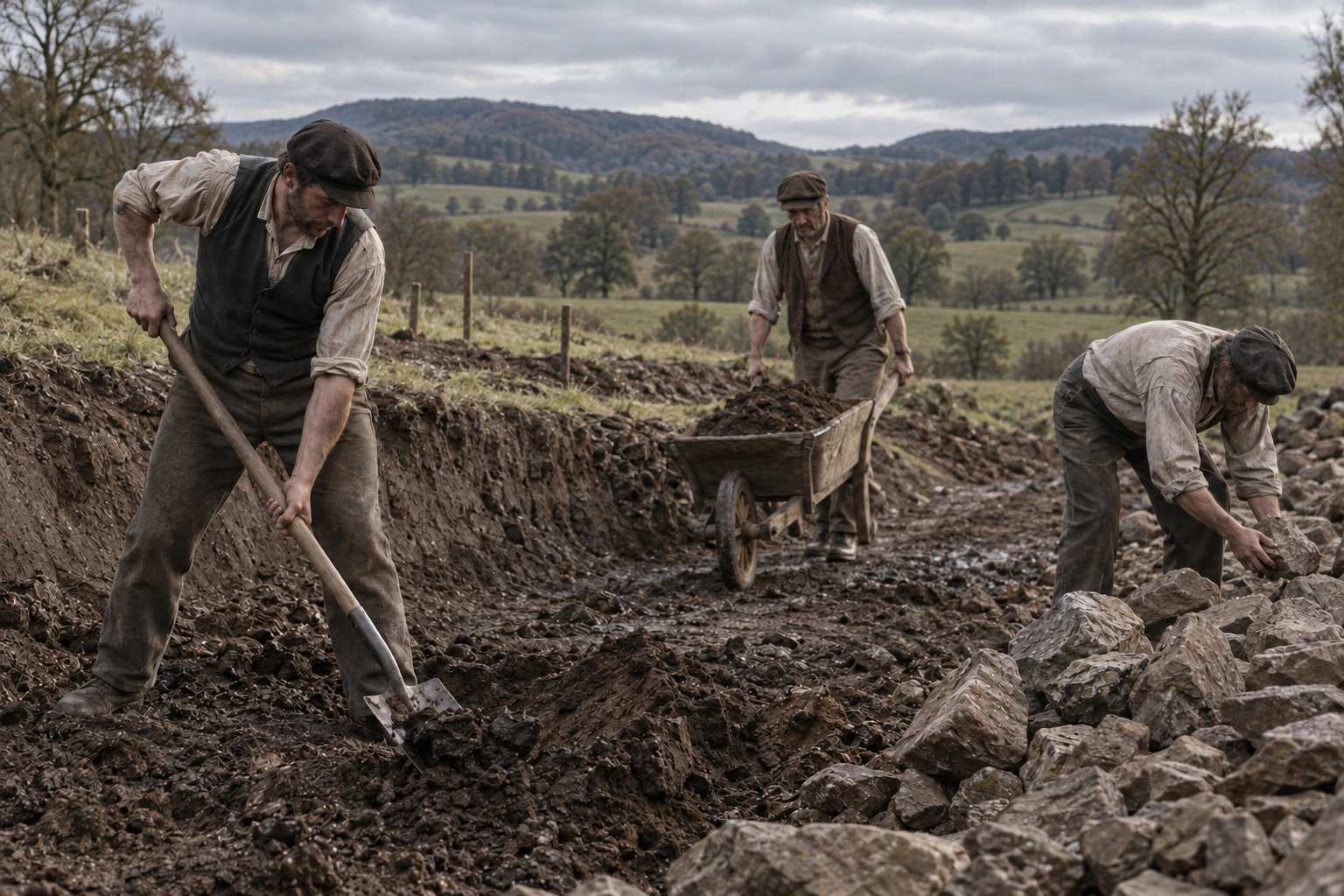
Construction workers · 1856–1858
The navvies arrive in Doune
The railway was dug, banked, bridged and laid largely by manual labour. Doune’s local history remembers the influx of navvies bringing trade and evening over-exuberance. Contractors, workforce numbers and individual labourers have not yet been recovered from the deposited records.
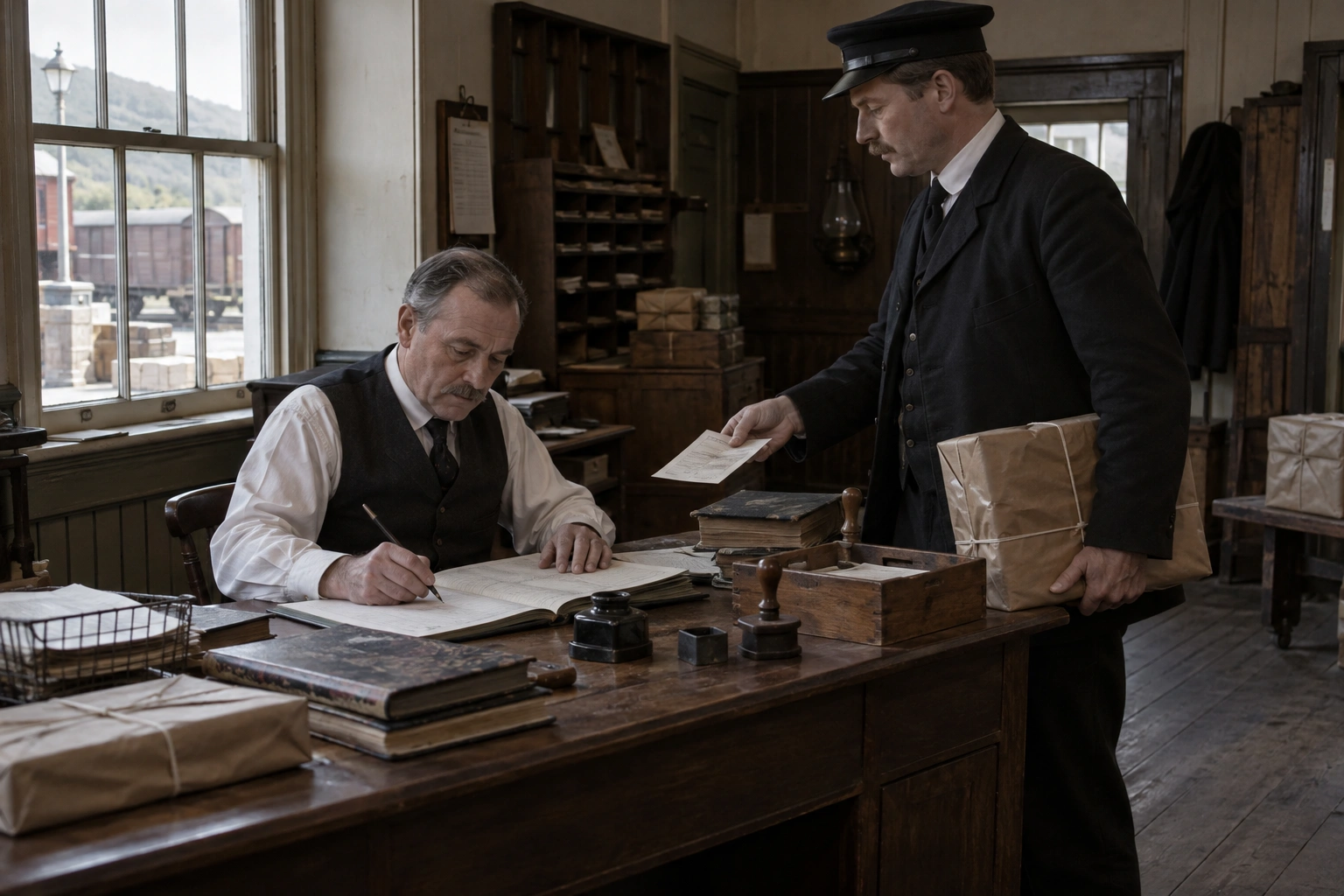
Named railway staff · 1906–1922
From the footplate to the goods office
The surviving record names driver Robert Scott and fireman Fred McDougall on the 7.20 Callander–Stirling train in July 1906; Doune station master Peter Cuthbert in operating records; and John Taylor as Callander’s goods agent in 1922. They turn the railway from company chronology into individual work.
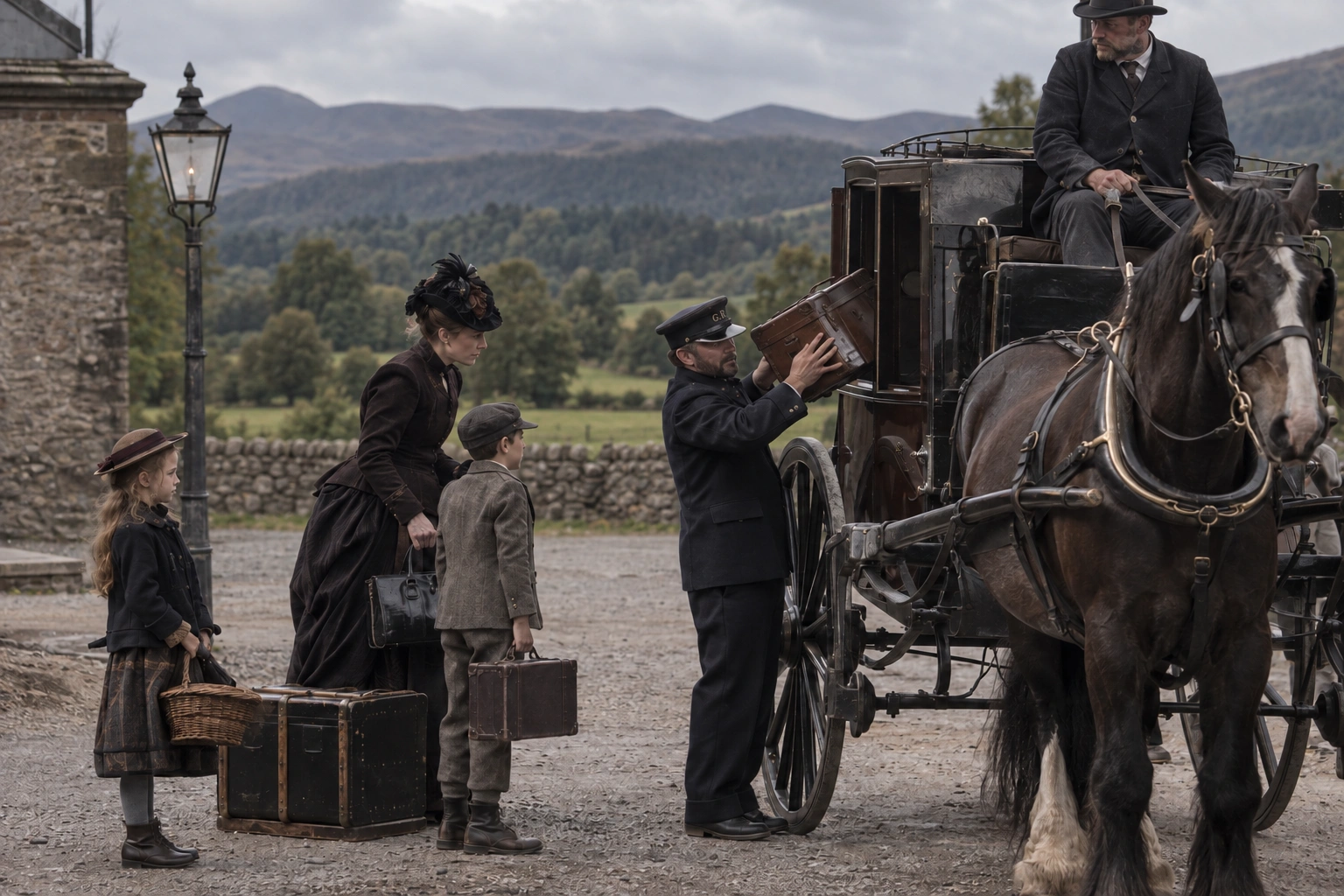
Travellers
Rail, road and steamer through the Trossachs
In 1876 the North British Railway advertised a seven-day circular tour via Callander, the Trossachs, Loch Katrine and Loch Lomond. Although issued by a competing company, the itinerary shows Callander working as an interchange in a longer rail, road and steamer journey rather than simply as an endpoint.
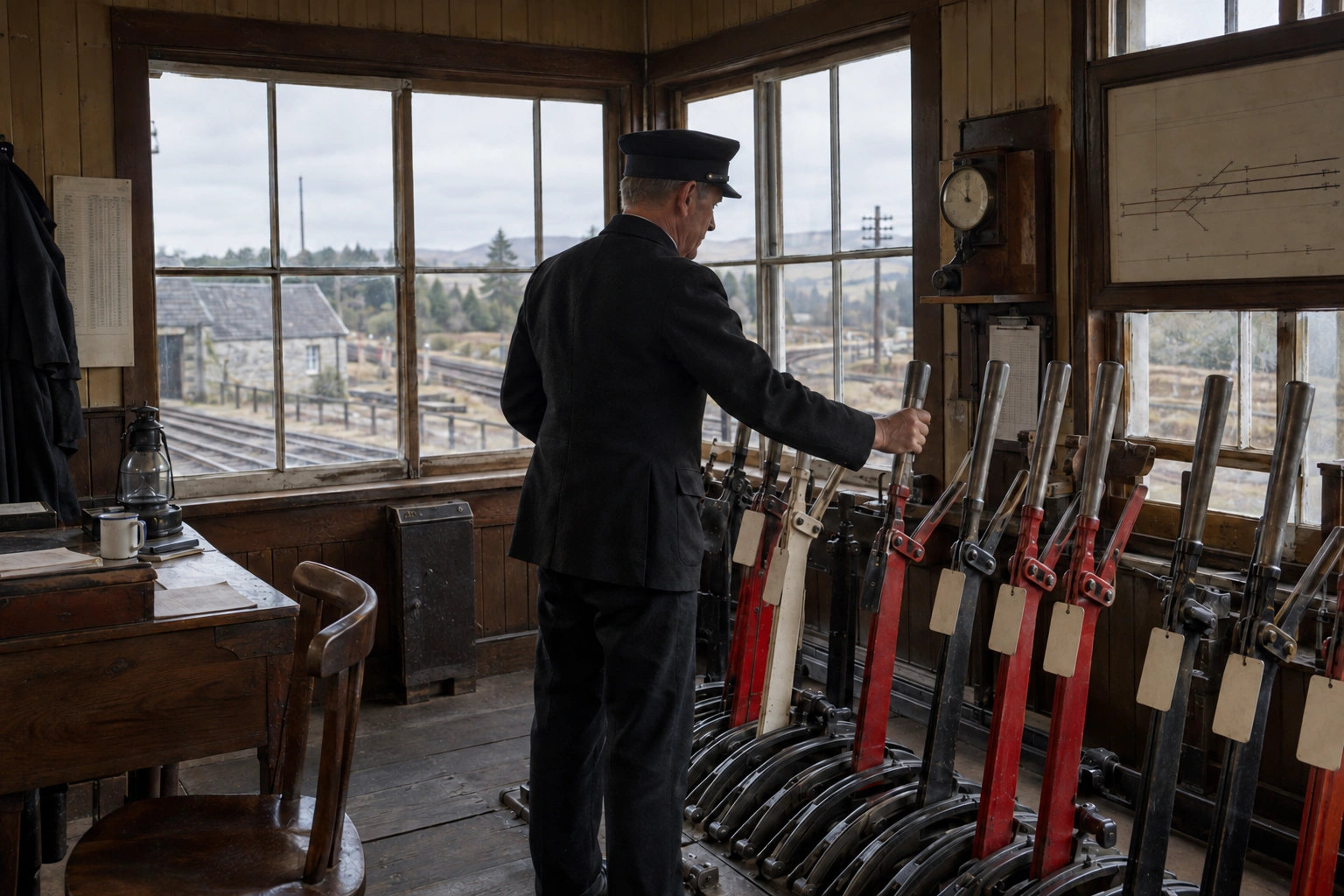
Railway work
Keeping the single line moving
Drumvaich’s crossing place and combined house and signal-box building point to the human work needed to operate the railway between Doune and Callander. The record establishes the place and function, but not the names or shifts of individual staff.
Community voices
Memories still to be gathered
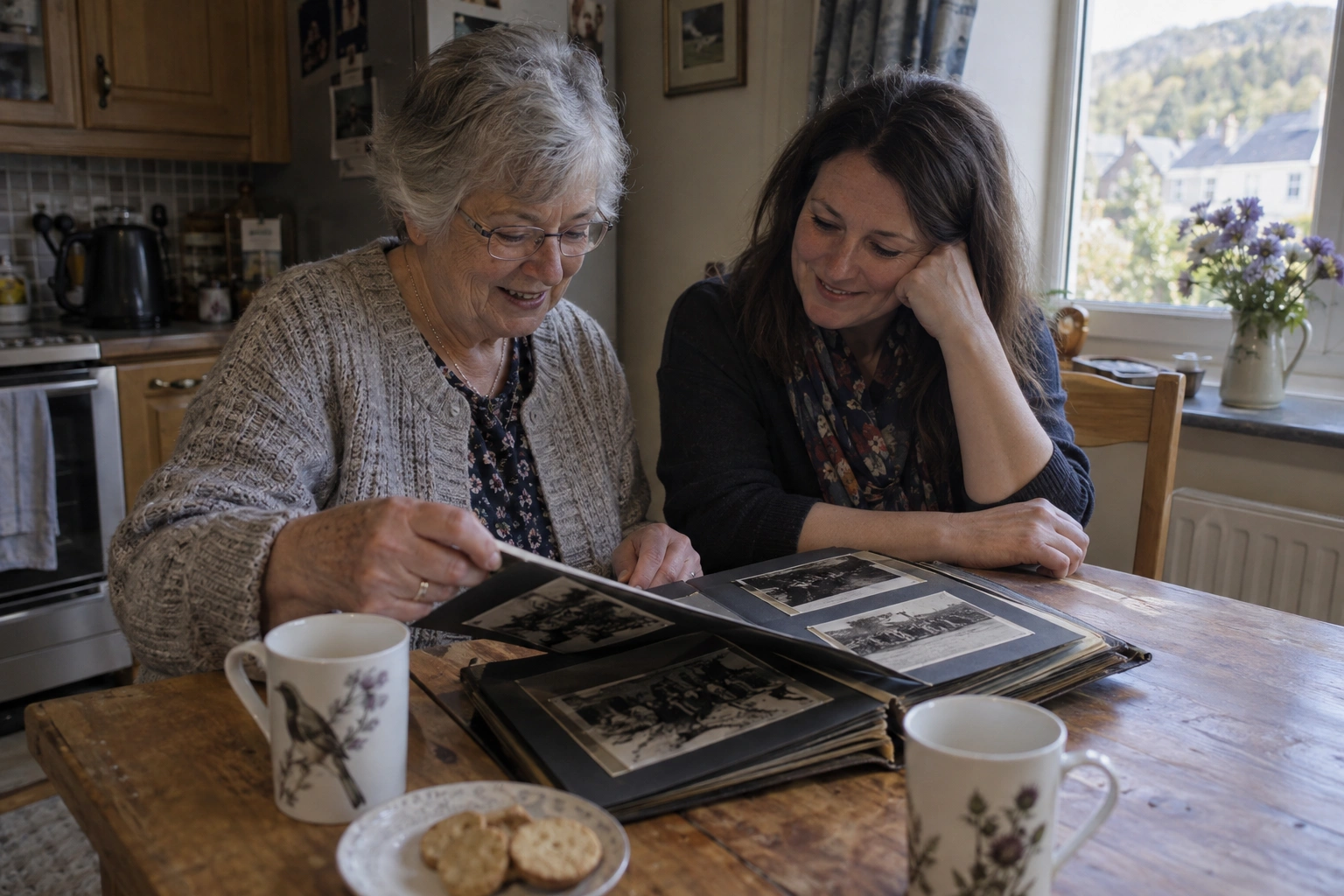
Passenger recollections, staff stories and life beside the line are still waiting to be gathered through the project’s private memories contribution route.
The first company
Names attached to the railway
The distinction matters: most of these names belong to the unbuilt 1846 company, while Charles Jopp belongs to its 1855 rival.
Faces from the surviving record: a photograph of an engineer and paintings of two directors. The dates below belong to the portraits, not to the railway company.
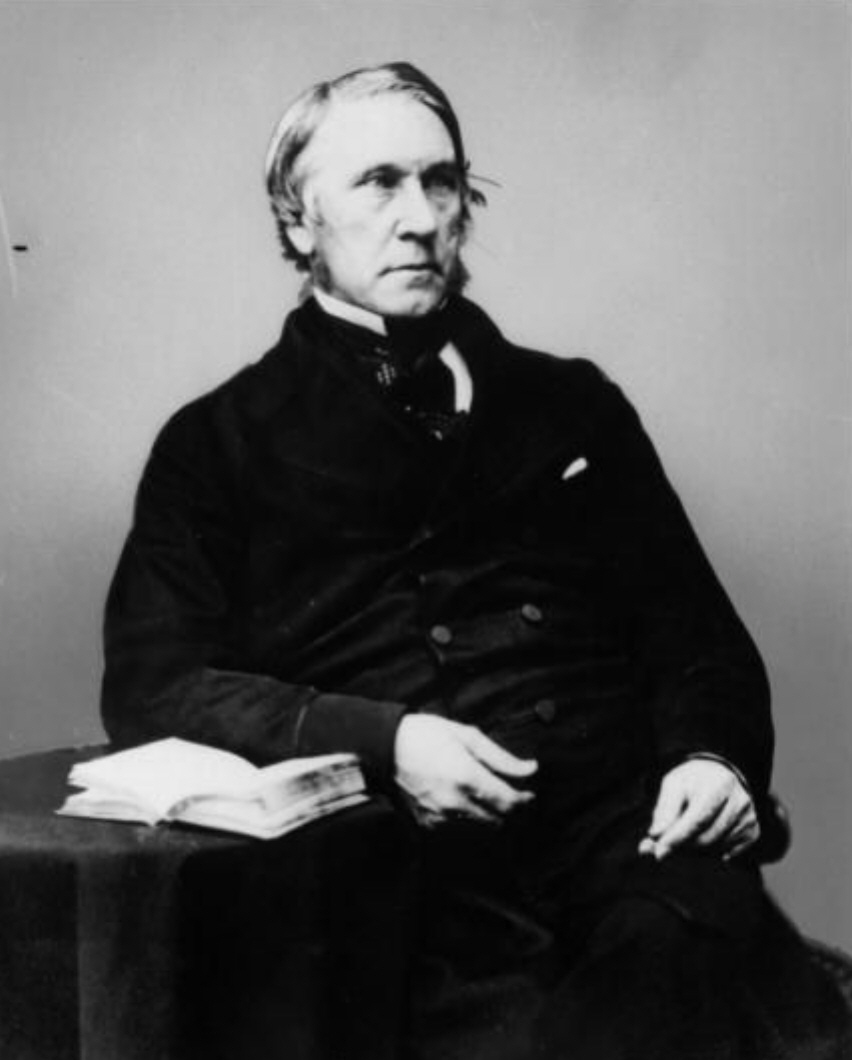
Historical photograph · c.1855
Joseph Locke
Consulting engineer for the original plans
Locke helped put the original railway scheme on paper. This seated portrait was taken years later; it does not show him at Callander.
Creator unknown · via Wikimedia Commons · Public domain
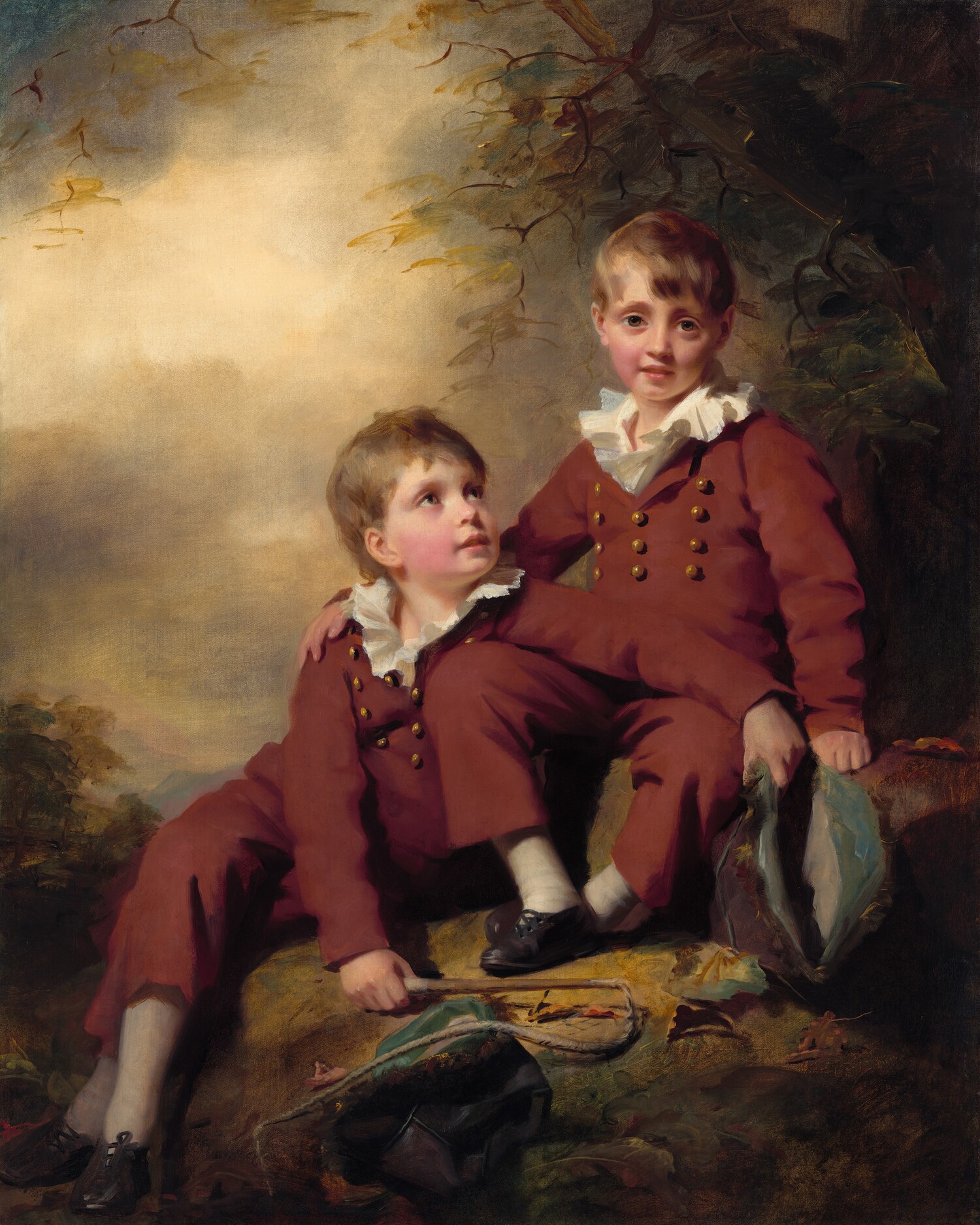
Historical painting · probably c.1811
George Home Binning Home
Director of the first company
The future railway director appears as the elder child in Sir Henry Raeburn’s The Binning Children, with his younger brother. This is a childhood portrait, more than thirty years before the railway company.
Sir Henry Raeburn · National Gallery of Art, Washington · Given in memory of John Woodruff Simpson · 1942.5.2 · Public domain / Open Access
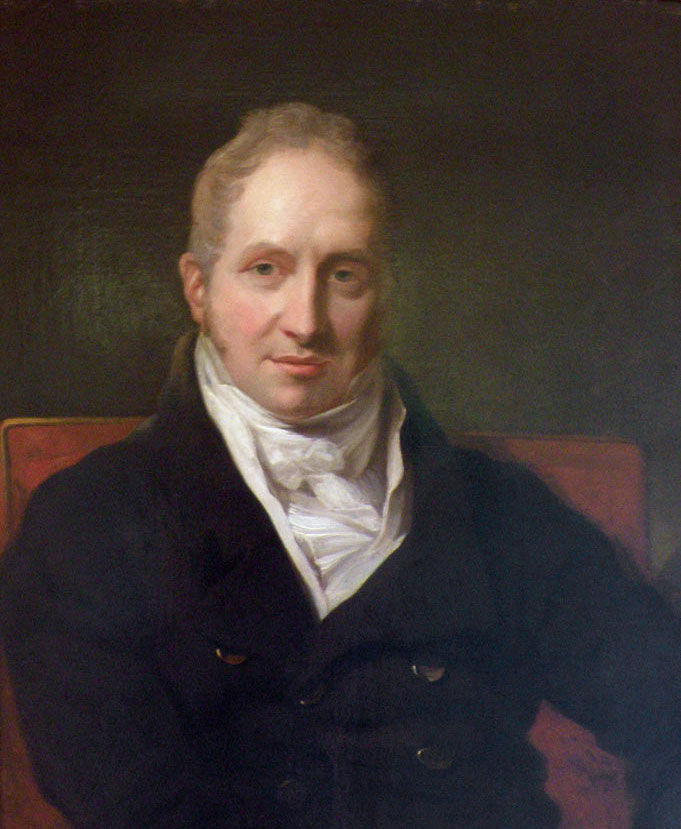
Historical painting · date unresolved
Captain Houston Stewart
Director of the first company; later Admiral of the Fleet
Houston Stewart was the owner of Gart near Callander and later Admiral of the Fleet. The Commons record identifies this portrait as Sir Houston Stewart; its approximate date is uncertain.
Creator unknown · via Wikimedia Commons · Public domain
Secretary and Dunblane organiser
T. Barty
The 1846 reference book gives the company office as Dunblane and names Barty as secretary.
Engineers named for the 1846 scheme
J. Locke; J. E. Errington; A. Mitchell
The initials are retained exactly as printed. Their responsibility for the later 1856 construction must still be established.
Directors of the 1846 company
John Stirling; George Home Binning Home; Captain Houston Stewart; William Stirling junior; John Finlay; Alexander Buchanan; Donald McLaren
The reference book places local landowners and businessmen visibly behind the first company.
Engineer of the rival Stirling scheme
Charles Jopp
Named by the NRS catalogue for the Stirling and Callander plans deposited in November 1855.
Explore this railway