Scotland's RailwaysMapping our railway heritage

Timetables and documents

Journeys through
the years.

Explore how trains connected Scotland’s towns, villages, cities and ports. The collection includes published timetable transcriptions, material still being checked and dates that remain unresolved.

Across the collection

More than one railway. More than one day.

The Waverley Route and Port Road already contain passenger timetables from different periods. Dunblane–Callander remains visible while its timetable evidence is prepared. Each railway keeps its own printed times, operating-day restrictions and gaps.

Choose a railway

Timetables already connected to their routes

Open a railway to see the timetable beside its stations, journeys and source notes.

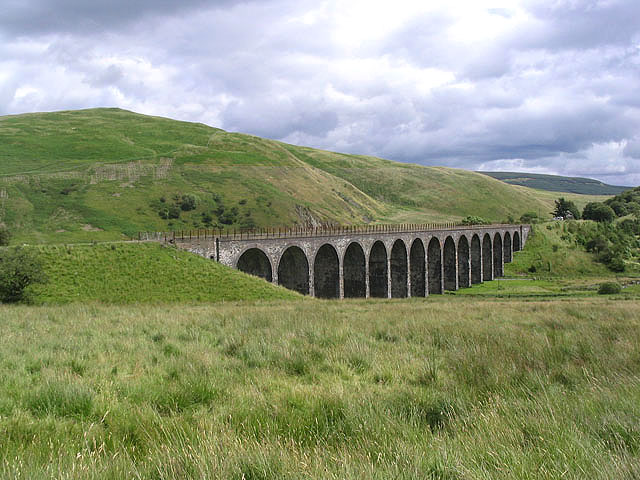
Shankend Viaduct crossing open hills on the Waverley Route
Shankend Viaduct on the upland Waverley RouteWalter Baxter / Geograph · CC BY-SA 2.0 ↗

Edinburgh to Carlisle

The Waverley Route

Explore the verified Summer 1964 selection alongside a dated October 1950 Bradshaw table, structured research views whose parent edition is unresolved, and later material still being matched.

Structured calls
164 across the current published and research views
Source range
1950, 1964 and later or unresolved material
Explore Waverley timetables →
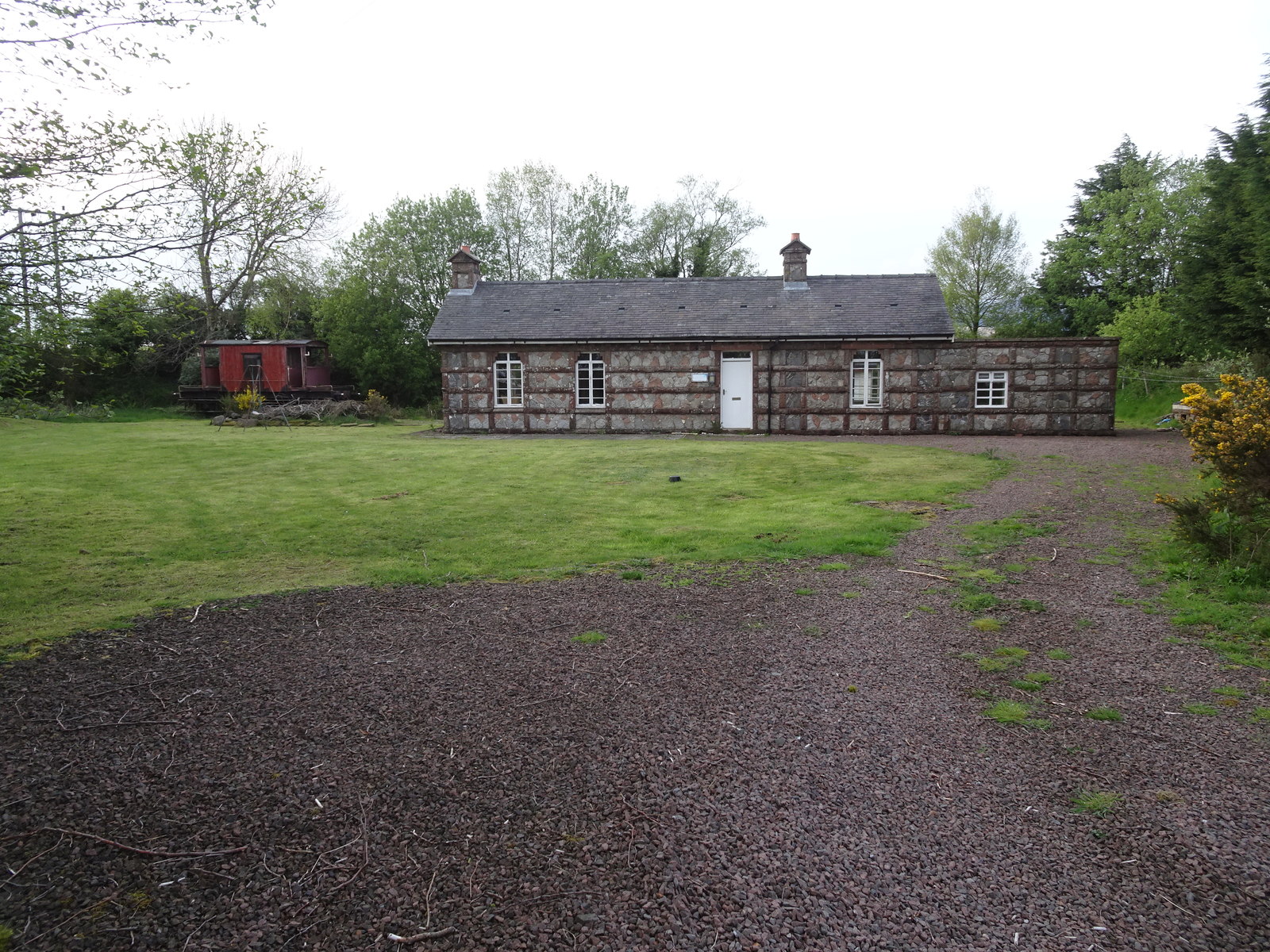
The restored Creetown station building on the former Port Road
Restored Creetown station building, 2019Nigel Thompson / Geograph · CC BY-SA 2.0 ↗

Dumfries to Stranraer

The Port Road

Follow selected services from the LMS timetable of September 1926 and the British Railways passenger timetable of Summer 1964, including local trains, boat connections and overnight services.

Published periods
1926 and 1964
What is retained
Printed calls, symbols and day restrictions
Explore Port Road timetables →
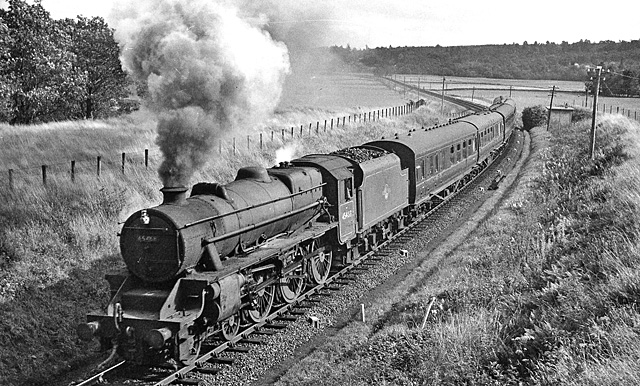
A steam-hauled Glasgow to Oban express curving through the Pass of Leny near Callander in 1961
Oban express near Callander, 1961 · connected line west of the townBen Brooksbank / Geograph · CC BY-SA 2.0 ↗

Dunblane through Doune to Callander

Dunblane–Callander

Begin with the railway’s stations, history, people, freight and photographs while its passenger timetable is prepared as the next layer of the story.

Coming next
A passenger timetable connected to the route
Explore today
Stations, history, people, freight and photographs
Explore the railway →

From the timetable shelves

A growing range of editions and research material

These are different sources with different levels of readiness—not parts of one invented national timetable.

20 September 1926

LMS Port Road timetable

Selected readable passenger columns covering the main route and connected branches.

Open the Port Road view →
Summer 1964

Passenger Services Scotland

Selected Waverley Table 23 and Port Road Table 8 transcriptions, each kept within its own railway.

Open the Waverley edition →
Date unresolved

Table 16 and other research material

Readable journeys are retained without presenting an uncertain parent edition as fact.

See the research views →

How to read a timetable

Printed schedule, railway operation and reconstruction are not the same thing

Public timetable

What passengers were told: advertised trains, calls, connections and printed restrictions.

Working timetable

Operating instructions for railway staff. It is identified separately and never inferred from a public timetable.

Reconstructed movement

A visual journey between printed calls. It helps explain the route but is not a record of where a train actually was.

Sources and archive

Every timetable stays connected to its evidence

Edition details, source locators, qualifications and publication rights remain with the railway record. A transcription does not automatically make the original scan available for republication.
Browse the archive →