About the project
Scotland’s railway history,
reconstructed through time.
Scotland’s Railways is building an evidence-led national explorer: not a single frozen map, but a network of routes, stations, services and places as they changed.
The idea
Not one railway. Thousands of moments in time.
Lines opened and closed. Stations were rebuilt. Junctions changed. Goods facilities disappeared and patterns of traffic evolved.
The project preserves those changes instead of compressing more than two centuries of railway history into a single timeless diagram.
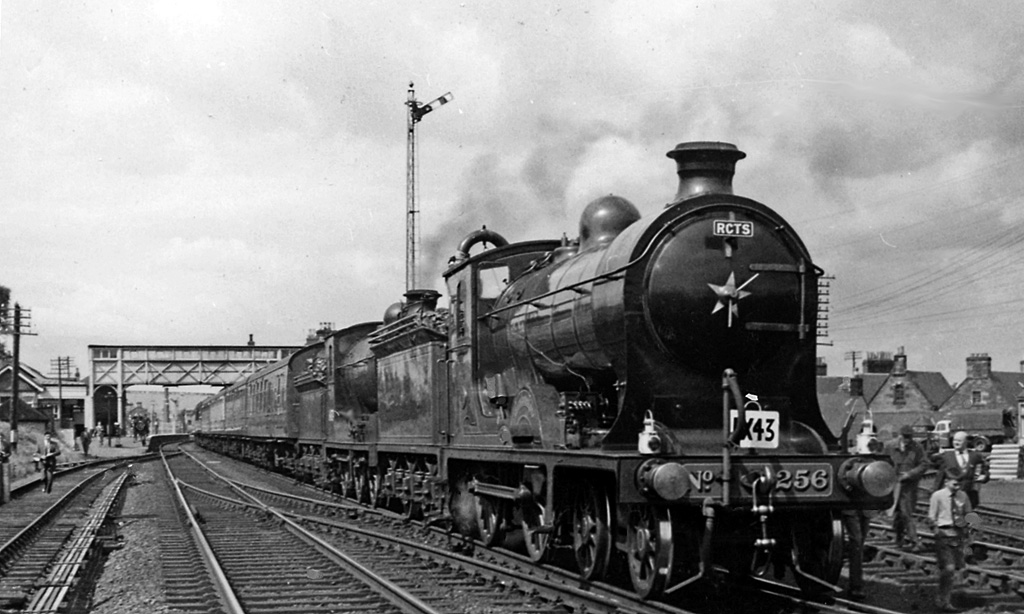
Project principles
A digital museum with a working railway at its heart
Scotland is the product
Waverley proves a reusable method. The destination is a national network in which every route retains its own evidence and historical state.
Time changes the map
Timetables are not decoration: dated calls and journeys help show how the railway operated, not simply where track existed.
Uncertainty stays visible
Unknowns, disagreements and source limitations are part of the public record. They are not defects to be silently painted over.
What it is
An evidence-led historical reconstruction
A connected way to explore lines, places, passenger timetables, infrastructure, photographs and records.
What it is not
A reopening campaign or operational promise
Project statuses describe research and publication progress. They do not imply that a real railway is being rebuilt or reopened.
Why Waverley first?
A demanding route makes a credible template
Edinburgh to Carlisle tests urban terminals, rural stations, junctions, summits, tunnels, viaducts, multiple timetable views, photography and incomplete evidence. Solving those relationships once creates a disciplined architecture for future Scottish routes.