Scotland’s Railways · line explorer
The Waverley Route
Edinburgh Waverley to Carlisle Citadel
Everything about the Waverley Route
Choose what you want to explore
Every Waverley subject has one permanent home. These choices remain available throughout the route.
Set the line in time
Which period are you exploring?
Your choice stays with this railway and governs its dated culture and resources. Every item keeps its own date, place and connection to the line.
Adverts, posters & visual culture · 1948
Inside the chosen period



The line at a glance
A railway across the Borders
From the heart of Edinburgh to Carlisle Citadel: towns, industries and isolated railway communities joined by one remarkable main line.
Through route completed
1 July 1862The Hawick-Carlisle completion created the full Edinburgh-Carlisle route.Historic length
98 miles 20 chainsThe 98¼-mile Edinburgh-Carlisle Waverley Route.1964 express journey
2 hr 28–33 minThe Waverley took 2 hours 28 minutes southbound from Edinburgh to Carlisle and 2 hours 33 minutes northbound.1964 local journey
3 hr 5–14 minThe transcribed local workings took 3 hours 14 minutes southbound and 3 hours 5 minutes northbound.1964 evidence view
23 stationsPassenger stations represented in the present route dataset.Through closure
6 January 1969Regular through passenger services ended.Passenger railway today
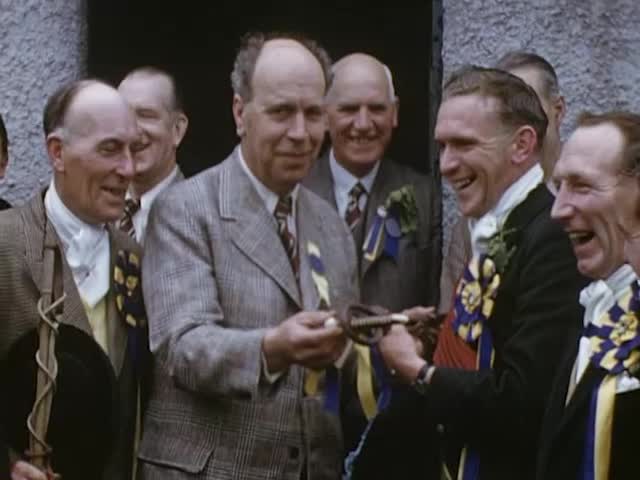
Edinburgh-TweedbankThe 30-mile Borders Railway has ten stations and seven newly built stations.Services returned
6 September 2015Regular passenger services began between Edinburgh and Tweedbank.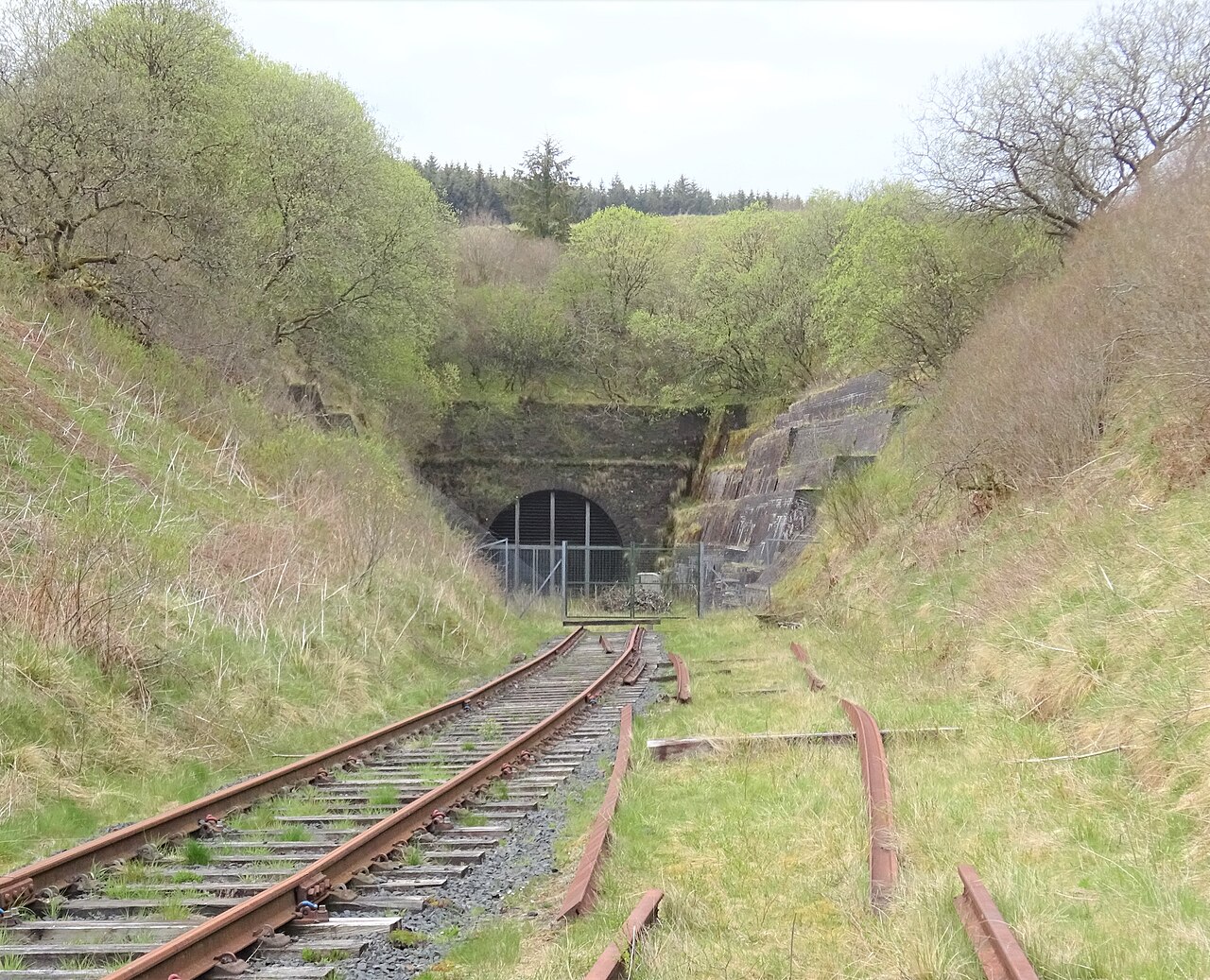
The Waverley Route linked Edinburgh Waverley with Carlisle through Midlothian, the Scottish Borders and the northern edge of Cumbria. Explore its places, changing railway, timetables, photographs and the people whose lives were bound up with the line.
Why the Waverley mattered
A national route and a Borders railway
The Waverley was one of the principal Anglo-Scottish railway corridors. It carried through passengers and freight between Edinburgh and Carlisle while giving the Borders textile towns, market communities and isolated railway settlements a direct connection to larger cities and markets. Closure therefore removed both a national through route and the railway that bound many communities along the corridor together.
Don’t just read about the railway. Choose a chapter above to follow its geography, watch its story unfold, inspect the trains that called, meet its people or open the visual archive.