Scotland’s railway history, reconstructed from evidence.
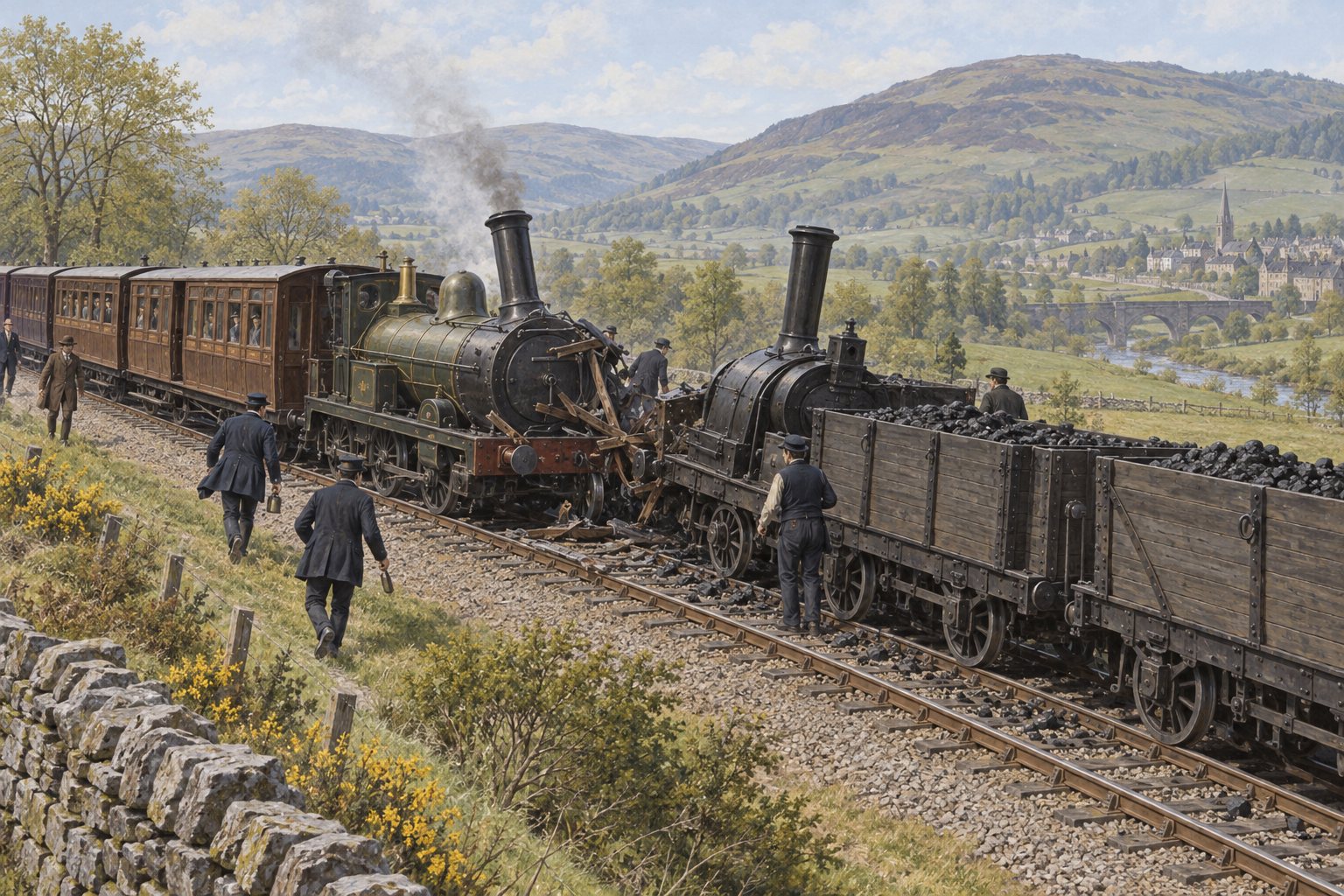
Scotland's RailwaysMapping our railway heritageAn interpretive view of Galashiels evokes the first railway age in the Borders, immediately after the line reached Hawick.Scotland’s Railways interpretive reconstruction
Scotland’s railways · 1825–1849
The Pioneers
Before the railway became ordinary.
Scotland’s first railway age began with coal, horse haulage and short industrial lines, then gathered speed until trains were joining cities and carrying passengers into the Borders.
The earliest Scottish railways were practical industrial machines. Rails helped horses move coal and minerals with less friction, linking pits, canals, harbours and growing towns. Steam power changed the scale of that idea. By the 1830s the railway was becoming a public system: a way to move people, letters, livestock and manufactured goods as well as minerals.
02
A new sense of distance
A journey that had depended on road conditions and coaching stages could now be imagined as a sequence of stations and fixed times. Edinburgh and Glasgow gained an inter-city railway in 1842. Seven years later the North British Railway reached Hawick, placing a Borders mill town at the end of a direct railway journey from the capital.
03
The railway enters everyday life
Stations brought clocks, tickets, porters, parcels and crowds. They also brought noise, smoke and new patterns of work. The first generation had to learn how to travel by train and how to live beside one. The habits that later seemed timeless—waiting rooms, timetables and the expectation of rapid travel—were all being invented.
Moments on the railway
Dates that changed the lines.
Follow the events already connected to the Waverley Route, Port Road and Dunblane–Callander railway stories.
Railway scenes, posters and the world beyond the platform.
The next year
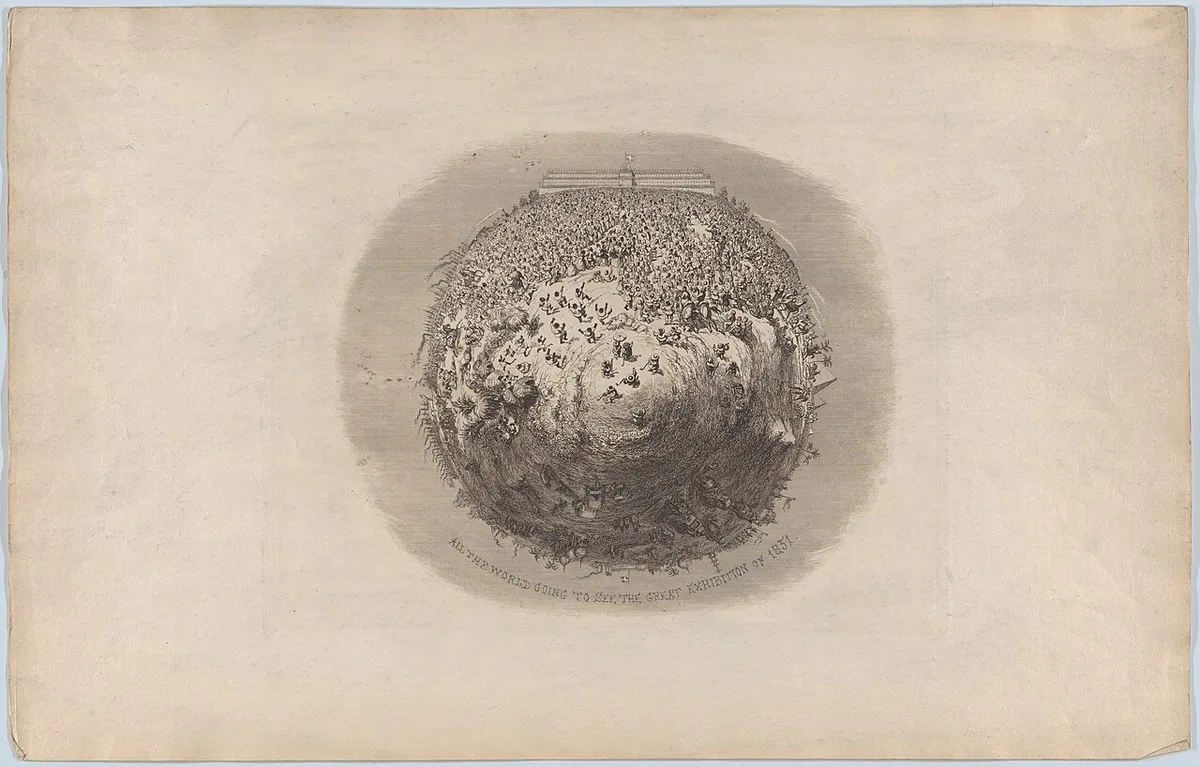
All the world comes to the exhibition
A richly illustrated print captures the international scale of the Great Exhibition and the confidence of the machine age that followed the railway pioneers.
Historic print · public domain via Wikimedia Commons
1851
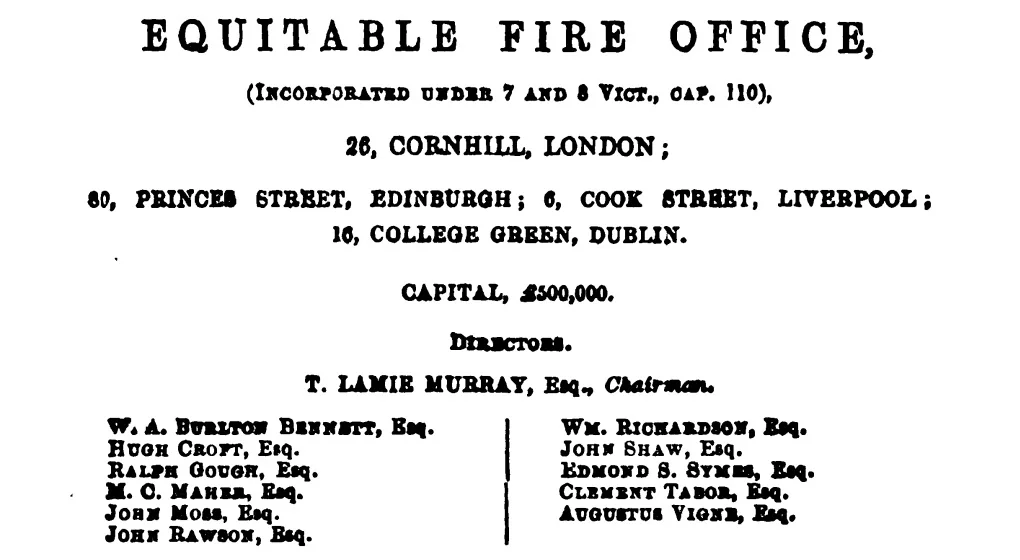
A city of commerce and print
Commercial advertising from the opening years of the railway age shows the busy urban world into which faster travel, parcels and newspapers were arriving.
Historic advertisement · public domain via Wikimedia Commons
A changing world
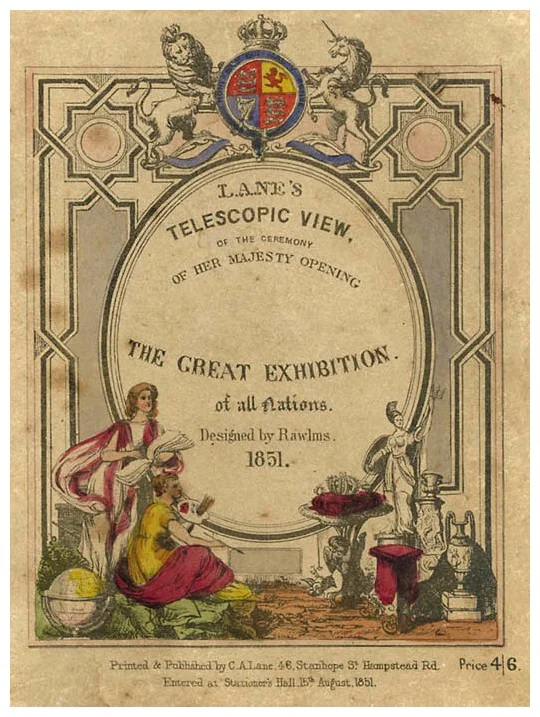
Industry, spectacle and invention
The Great Exhibition followed immediately after this pioneering era and captured the confidence in machinery, manufacture and connected travel that railways had helped create.