Scotland’s railway history, reconstructed from evidence.
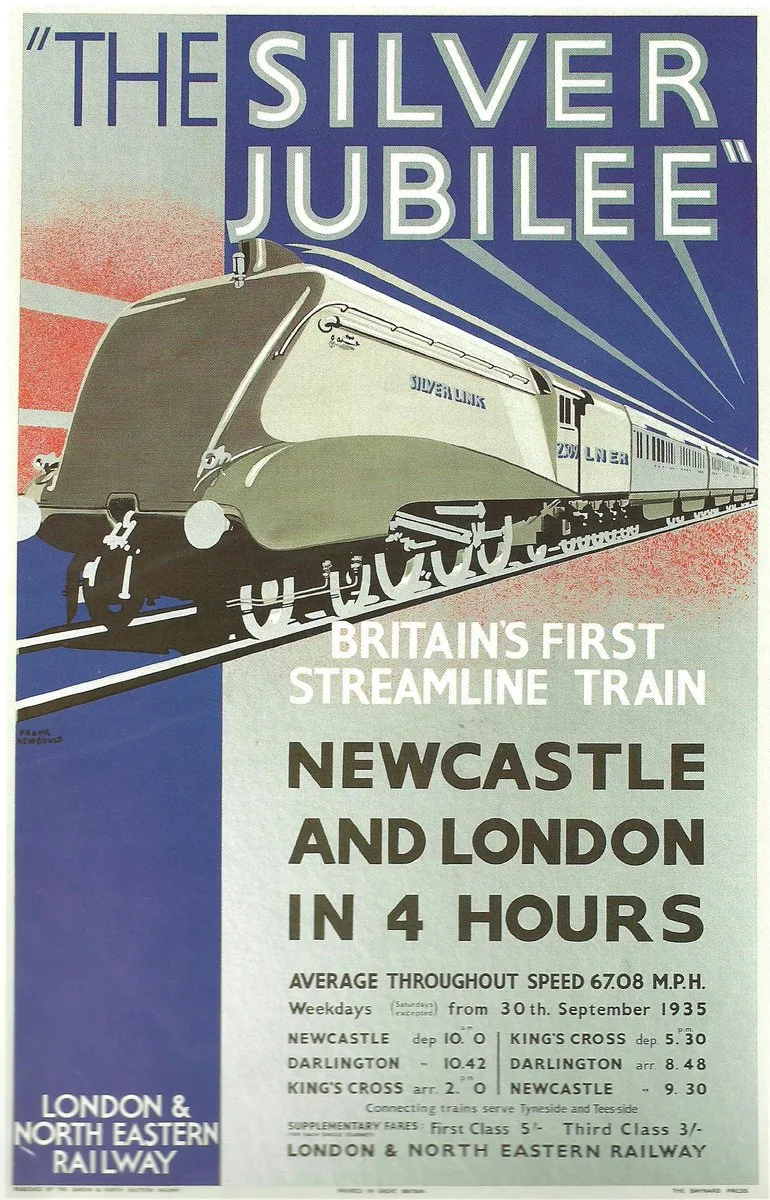
Scotland's RailwaysMapping our railway heritageFrank Newbould’s celebrated LNER poster captures the streamlined confidence of inter-war railway publicity.Frank Newbould / LNER · public domain via Wikimedia Commons
Scotland’s railways · 1923–1947
LMS & LNER
Two great systems—and a railway tested by war.
Grouping replaced the old Scottish companies with the LMS and LNER, bringing new identities, named trains and bold publicity before wartime traffic changed everything.
From 1923 the Waverley Route entered the London and North Eastern Railway, while the Port Road and Callander lines became part of the London, Midland and Scottish Railway. The names were new, but local stations, staff and operating traditions continued beneath the larger corporate identities.
02
Selling speed and scenery
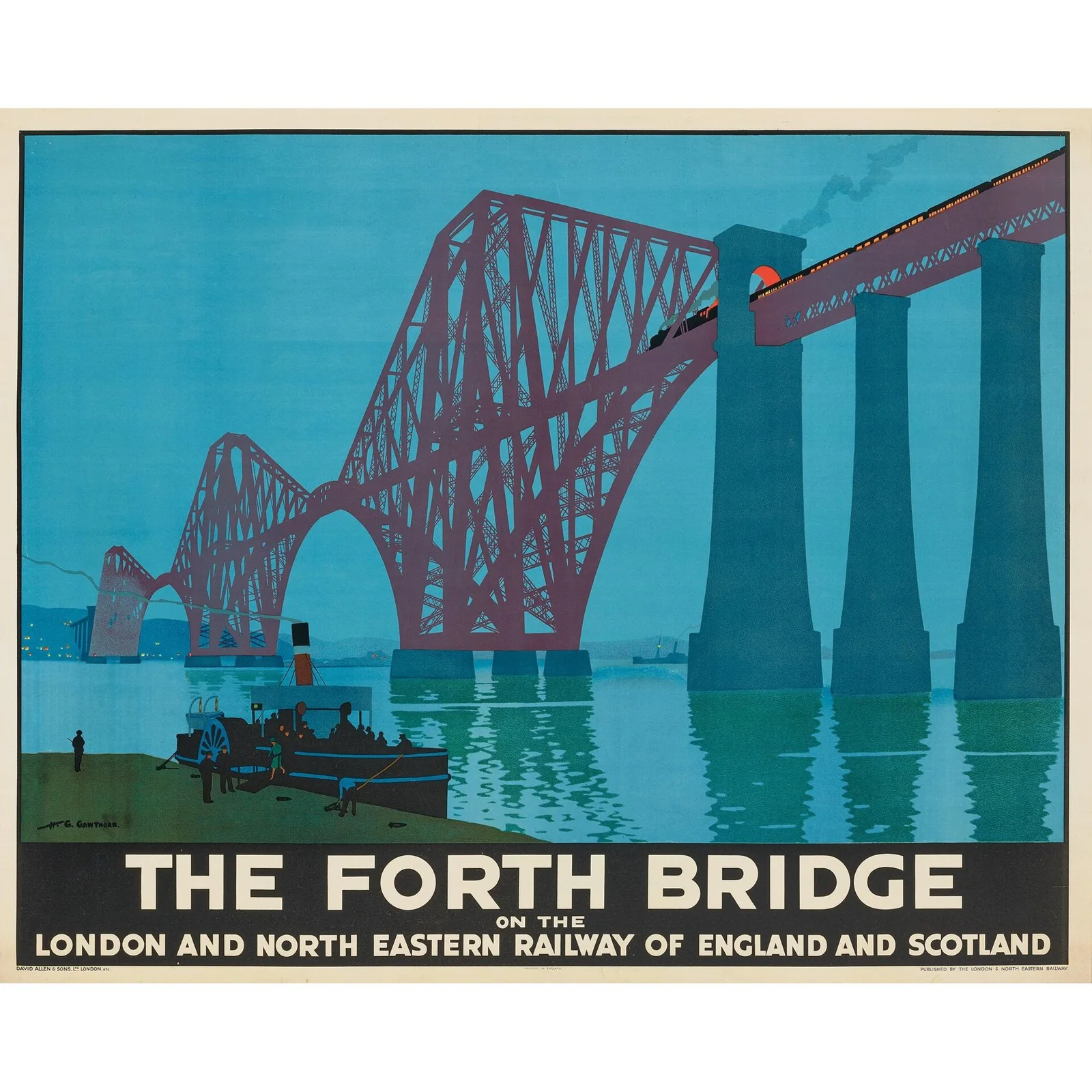
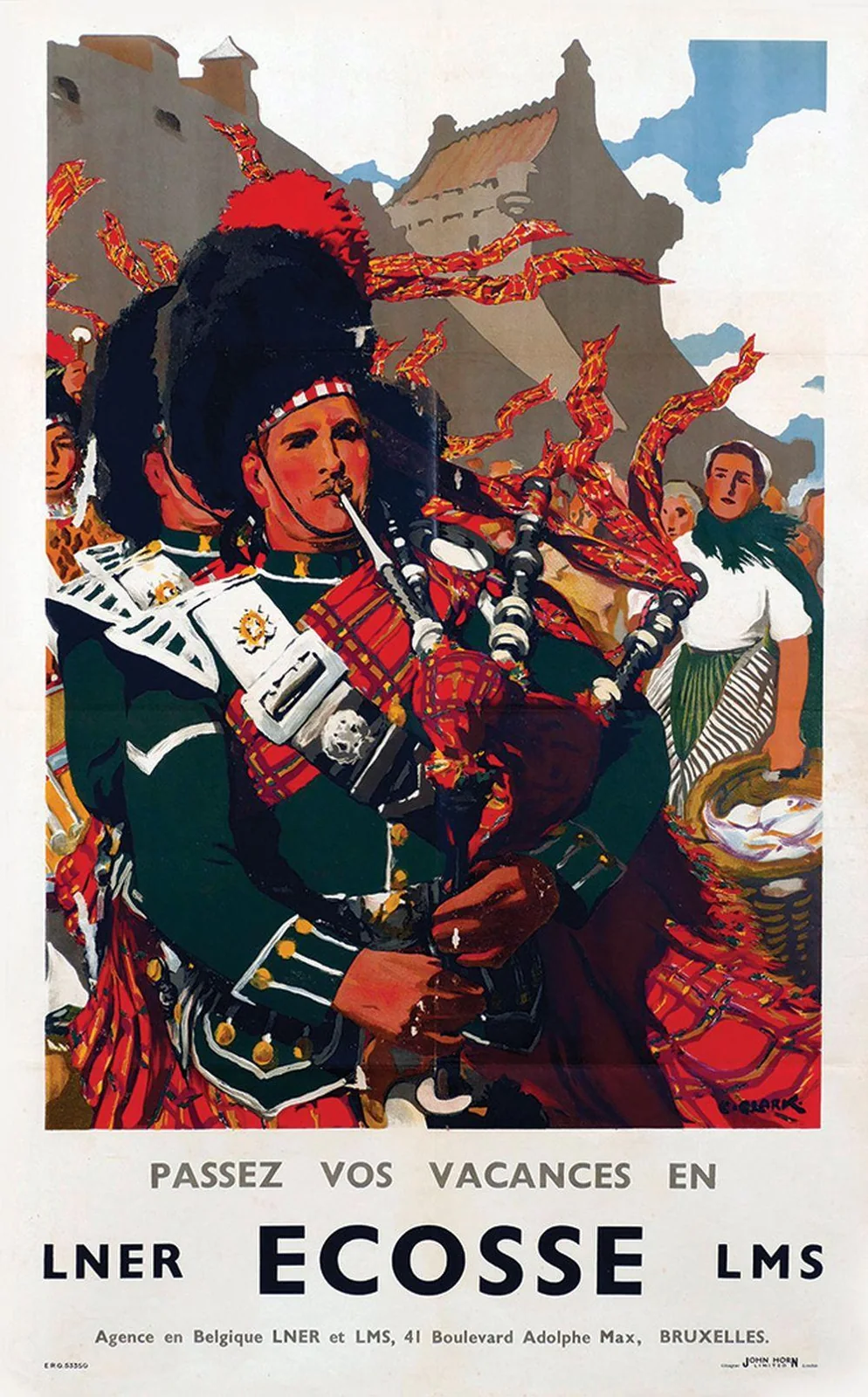
The inter-war companies used colour, typography and striking illustration to make rail travel desirable. Posters promised fast expresses, holiday coasts and Scottish landscapes. Named trains and modern locomotives projected glamour, while the ordinary railway continued to carry schoolchildren, livestock, newspapers, groceries and coal.
03
The railway in wartime
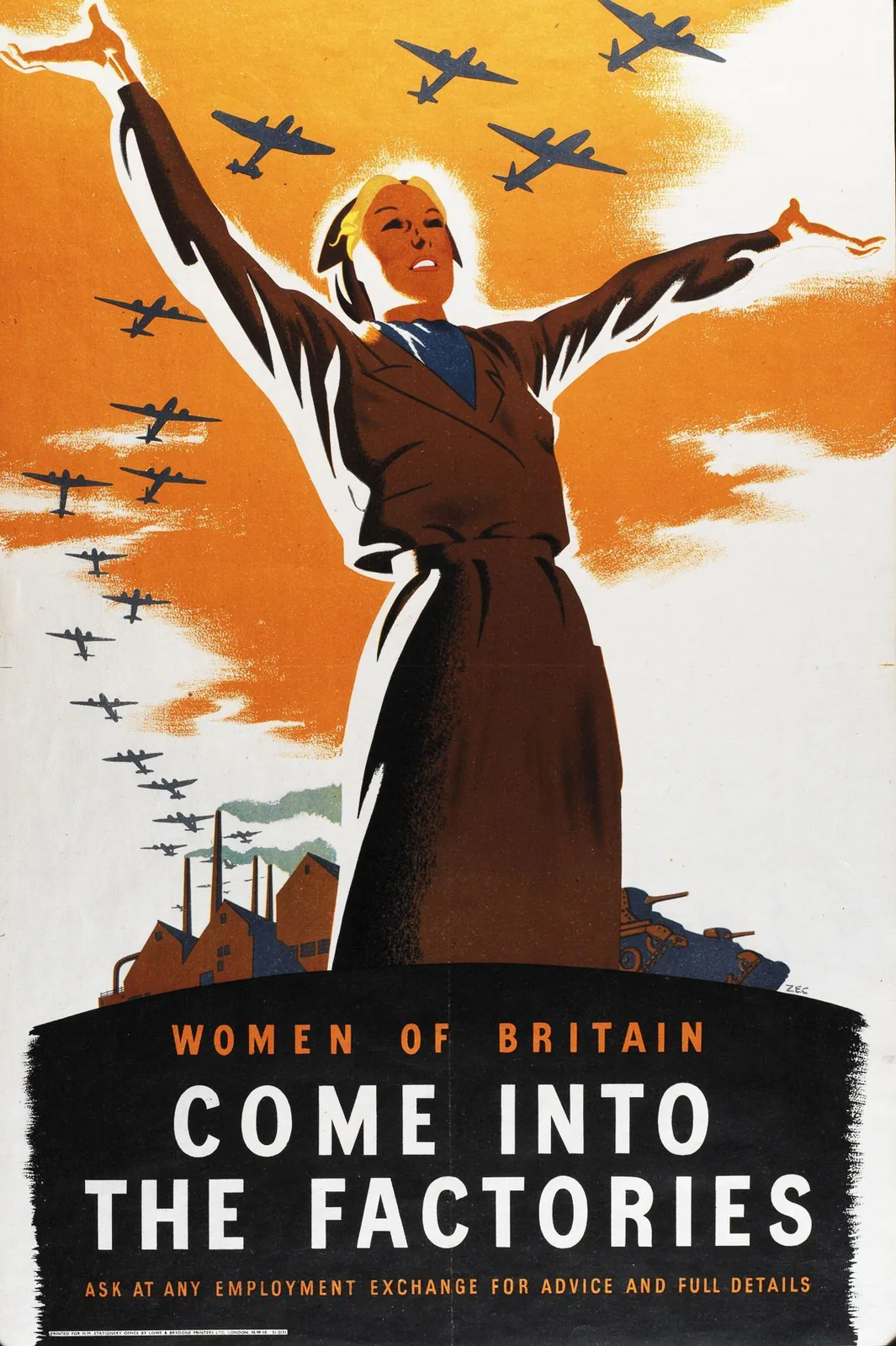
The Second World War shifted the emphasis from competition to national necessity. Trains carried troops, evacuees, workers and supplies under blackout conditions, while workshops and stations depended increasingly on women’s labour. Maintenance was deferred and equipment worked hard. The worn railway inherited after 1945 had performed an immense public service.
Moments on the railway
Dates that changed the lines.
Follow the events already connected to the Waverley Route, Port Road and Dunblane–Callander railway stories.
The Waverley Route
The route enters the LNER era
The North British Railway is grouped into the London and North Eastern Railway under the Railways Act 1921.