Scotland’s railway history, reconstructed from evidence.
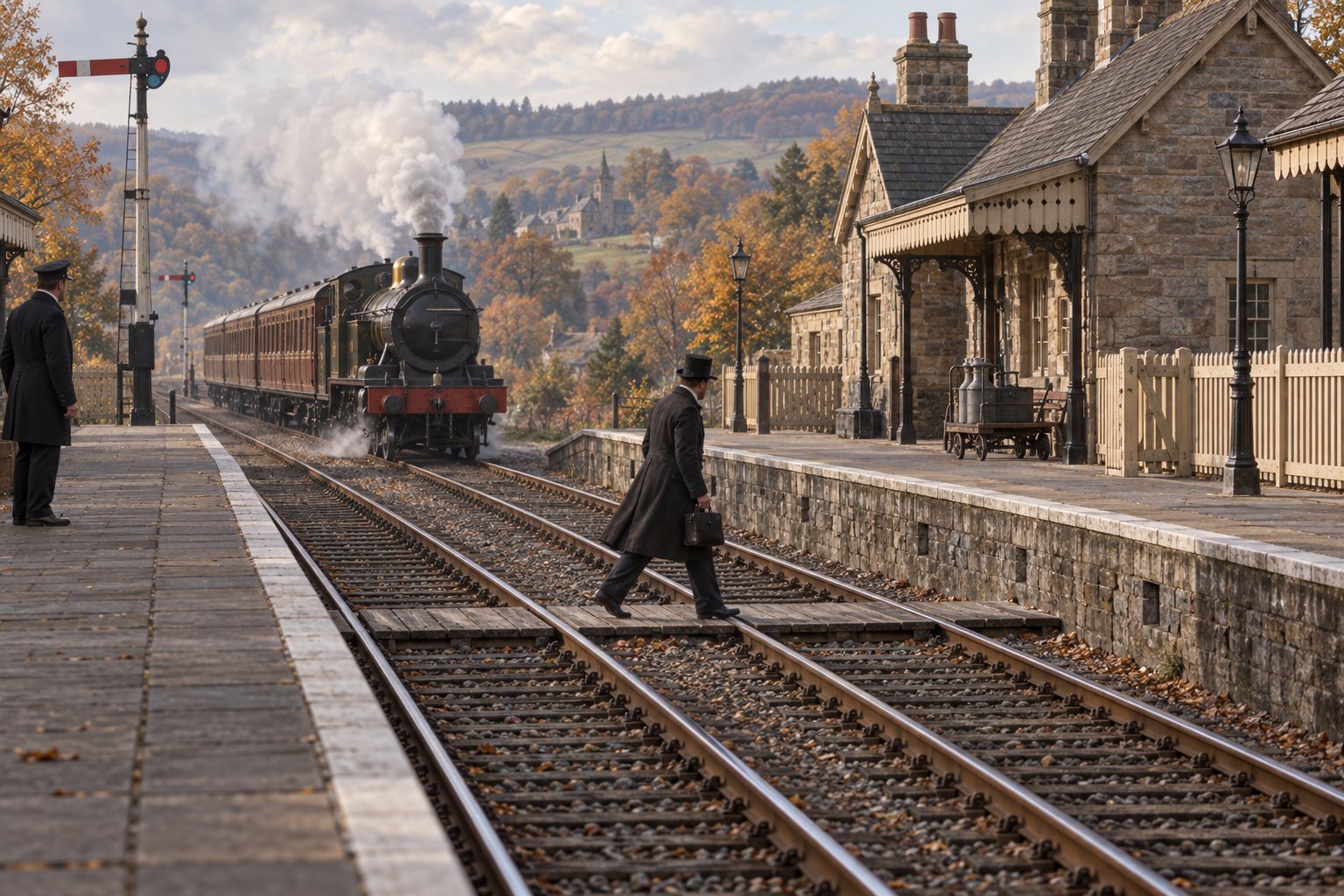
Scotland's RailwaysMapping our railway heritageSt Boswells became a junction in the great expansion age, connecting the Waverley main line with the route towards Kelso.Scotland’s Railways interpretive reconstruction
Scotland’s railways · 1850–1879
Railway Mania & Expansion
Lines push through glens, towns and border country.
In three restless decades the railway spread from promising routes into a connected landscape of junctions, branch lines, harbour links and ambitious through journeys.
Promoters promised prosperity; engineers had to make it possible. Cuttings, embankments, bridges and viaducts carried railways across country that rarely offered a straight or level path. The Waverley Route pressed south from Hawick to Carlisle, while the Port Road drove west from Dumfries towards Castle Douglas, Stranraer and Portpatrick.
02
Towns become railway places
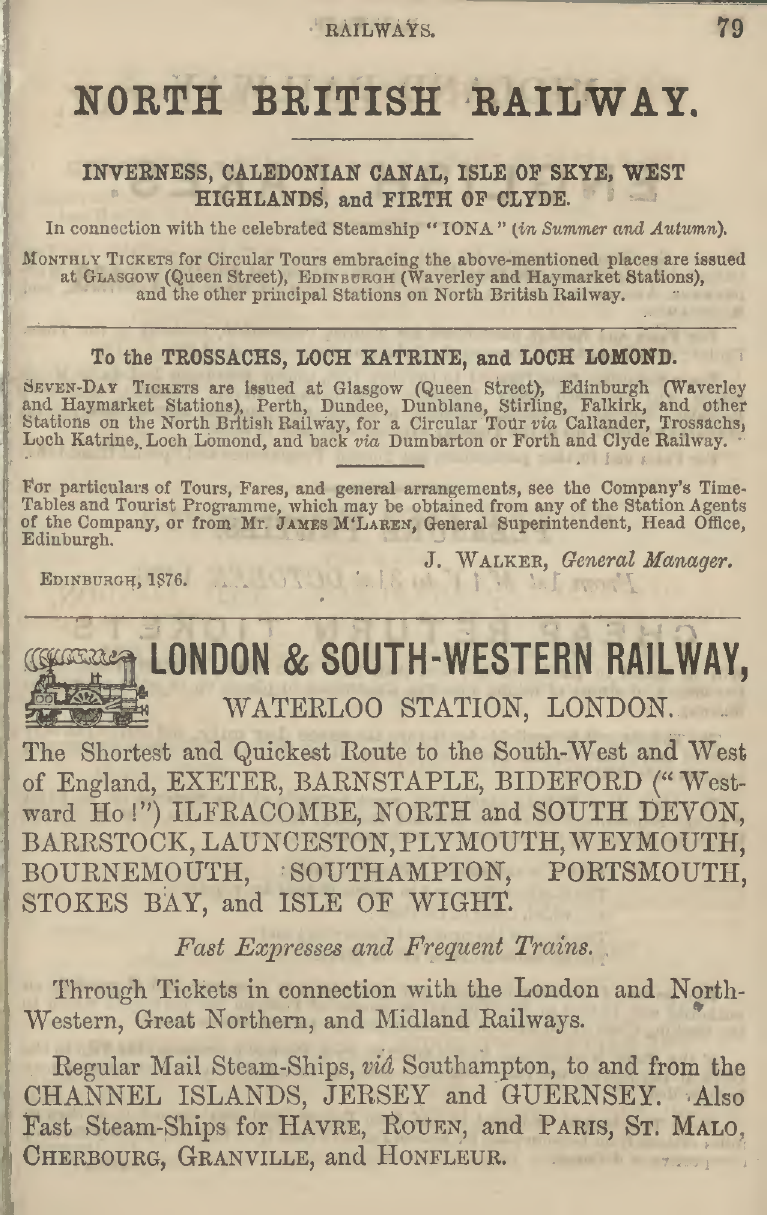
Galashiels, Hawick, Castle Douglas, Newton Stewart, Doune and Callander acquired a new geography. Streets led to station approaches; hotels advertised connections; goods yards handled coal, livestock, timber and parcels. A railway could shorten a journey while also changing where a town worked, traded and welcomed strangers.
03
Competition and connection
Companies competed for territory and traffic, but passengers experienced the network through connections. The Dunblane, Doune and Callander Railway opened in 1858 and soon became part of a longer Highland journey. By the end of the period the great routes were no longer isolated ventures: they were pieces of a system reaching ports, resorts and English main lines.
Moments on the railway
Dates that changed the lines.
Follow the events already connected to the Waverley Route, Port Road and Dunblane–Callander railway stories.
The Border Union Railway completes the through passenger connection between Hawick and Carlisle, creating the full Edinburgh-Carlisle route represented by the Explorer.
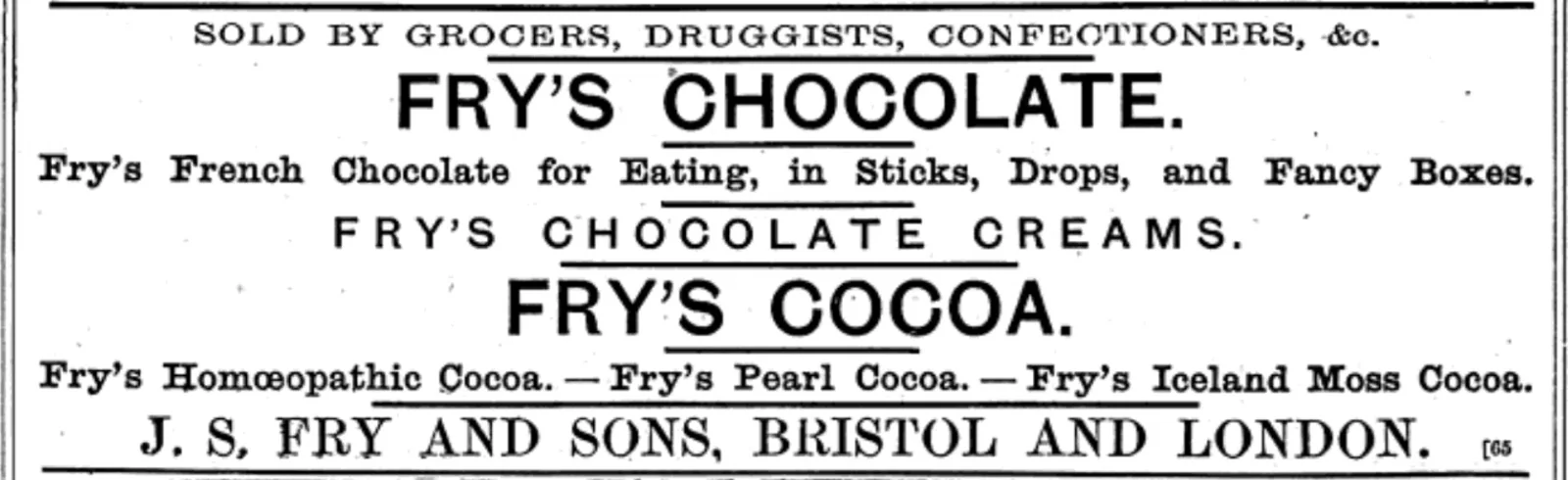
Branded food advertising flourished alongside mass printing and faster distribution, part of the everyday culture surrounding the new national network.